This guide will walk you through everything you need to know about your first laser hair removal treatment, including preparation, the procedure itself, aftercare, and common questions. By the end, you’ll have a clear picture of how laser hair removal works and how it can fit into your beauty routine.
How Laser Hair Removal Works
Laser hair removal is a medical procedure that uses concentrated laser light to target the pigment in the hair shaft. The laser beam passes safely through the skin and reaches the hair follicle, where the laser energy is absorbed by the melanin within the hair. This damages the follicle and slows hair growth.
The treatment is most effective for dark hair and light skin, where the contrast between hair and skin allows the laser to target the follicle more precisely. However, advances in laser hair removal devices now make it possible for people with darker skin or light-colored hair to benefit as well.
It’s important to note that while laser hair removal uses advanced technology to significantly reduce hair, hair may regrow over time. That’s why most patients undergo multiple sessions to ensure long-term hair reduction.
Why Choose Laser Hair Removal
One of the main benefits of laser hair removal is convenience. Unlike shaving, which only trims the hair shaft, or waxing, which temporarily removes the hair, laser treatments target the root and work to destroy hair follicles, reducing future hair growth.
Another advantage is precision. The laser for hair can treat even small areas with accuracy, sparing surrounding skin. Whether you’re targeting your underarms, legs, back, face, or bikini line, laser hair removal is performed safely and effectively.
Compared to other hair removal methods, laser treatments are less likely to cause ingrown hairs or irritation. While the initial cost may be higher than shaving or waxing, the results often make it more cost-effective in the long term.
Preparing for Your First Laser Hair Removal Session
Proper preparation is key to getting the best results and reducing the risk of side effects. Before your appointment, your provider will review your hair and skin color, assess your skin type, and determine the best type of laser for your needs.
Here’s what you can do to prepare:
Avoid sun exposure: Tanned skin can increase the risk of irritation and pigmentation changes.
Shave, don’t wax or pluck: Shaving leaves the hair follicle intact, which is essential for the laser to remove hair effectively.
Avoid harsh skin products: Stop using retinoids or exfoliants a few days before treatment.
Communicate medications: Certain medications can make your skin more sensitive to laser light.
Following these steps ensures that your first treatment goes smoothly and safely.
What Happens During the Procedure
When you arrive at the laser center, the provider will first clean the treatment area and apply a cooling gel if needed. You’ll wear protective eyewear while the specialist performs the procedure.
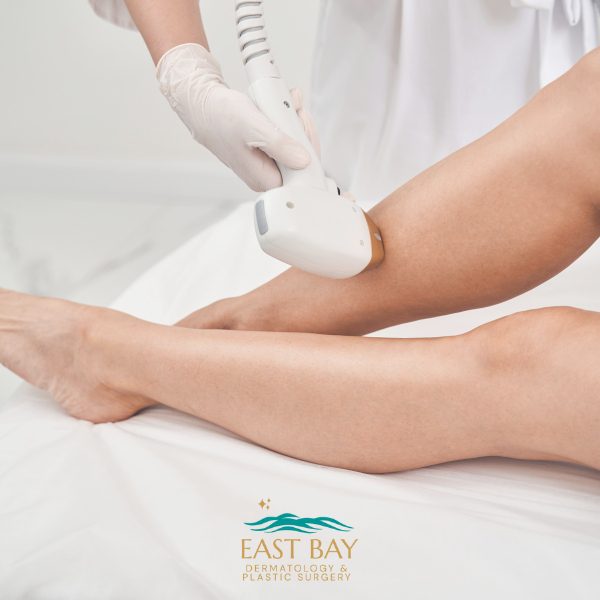
The handheld device delivers laser pulses to the area being treated, targeting the hair follicle without damaging the surrounding skin. Many patients describe the sensation as a light snapping, similar to a rubber band against the skin.
The size of the area affects how long the session lasts. Small zones like the upper lip may take just a few minutes, while larger areas, such as the legs or back, can take up to an hour.
Modern laser hair removal devices are designed for comfort and often include cooling systems to minimize discomfort during treatment.
What It Feels Like
Discomfort during laser hair removal is usually mild and tolerable. Areas with thinner skin, such as the upper lip or bikini line, may feel more sensitive, while thicker areas like the legs are often easier to treat. The quick pulses mean that each individual hair experiences only a brief sensation. Compared to waxing, many people find laser hair removal generally less painful and much easier to endure.
Aftercare and Side Effects
After your session, the treated hair follicles may appear red or slightly swollen—much like a mild sunburn. These reactions are temporary and usually fade within a few hours to a couple of days.
Normal effects of laser treatment include warmth, tenderness, and mild irritation. Potential side effects include pigment changes or blistering, though these are rare when the procedure is performed by a qualified professional. Following your provider’s aftercare instructions, such as avoiding direct sun exposure and using gentle moisturizers, will help reduce any temporary side effects.
Why Multiple Treatments Are Needed
Laser hair removal is most effective when performed in multiple sessions. This is because hair grows in cycles, and the laser removes hair most effectively during the active growth phase. Not all follicles are active at the same time, so it’s normal to need several sessions to target all hair in the treated area.
Most patients require six to eight sessions, spaced four to eight weeks apart, depending on skin type, hair color, type of hair, and the amount of hair in the area. While hair may regrow between sessions, it usually grows back finer and lighter, making subsequent treatments even more effective.
Comparing Laser Hair Removal to Other Methods
Shaving only cuts the hair shaft at the surface, meaning hair grows back quickly. Waxing removes hair temporarily but does not destroy hair follicles, so regrowth is inevitable. Chemical depilatories dissolve hair but can irritate the skin.
In contrast, laser hair removal generally reduces hair growth over time, with fewer ingrown hairs and minimal irritation. It can be used for hair in nearly any area, from facial hair to larger body regions, offering a long-lasting solution for unwanted hair.
Frequently Asked Questions
Is laser hair removal permanent?
While many people achieve permanent hair reduction, some hair may regrow over time. Maintenance sessions help sustain results.
Does it work for all hair colors?
Laser hair removal is less effective on very light-colored hair, but works best for dark hair and light skin.
Is it safe for all skin types?
Yes. Different hair removal lasers are designed for light skin, dark skin, and various hair and skin combinations.
Can it treat all areas of the body?
Yes. Laser hair removal is performed on most areas, including the legs, underarms, face, and bikini line.
Will it hurt?
Most patients report mild discomfort, similar to a snap of a rubber band. Areas with thinner skin may feel more sensitive.
Moving Forward with Confidence
Your first laser hair removal session is the start of a journey toward smoother, low-maintenance skin. With multiple sessions, proper preparation, and professional care, laser hair removal uses modern laser technology to provide significant long-term hair reduction.
Whether you’re targeting the bikini line, legs, or underarms, this procedure to remove unwanted hair can reduce your reliance on shaving or waxing, giving you more confidence and freedom in your daily routine. To learn more about personalized treatment plans and what areas you can safely treat, schedule a consultation with a trusted laser center, East Bay Dermatology! The benefits of laser hair removal—from smoother skin to less maintenance—are well worth the investment.