Still, choosing to undergo a plastic surgery procedure is never a small decision. At East Bay Dermatology, we often meet patients who come to their initial consultation with many of the same concerns: What exactly does the procedure involve? How long will recovery take? How can I be sure I’m choosing the right surgeon? To help guide you, we’ve compiled answers to the most common facelift questions, along with insight into the essential questions to ask when meeting with a facelift surgeon.
What Exactly Is a Facelift?
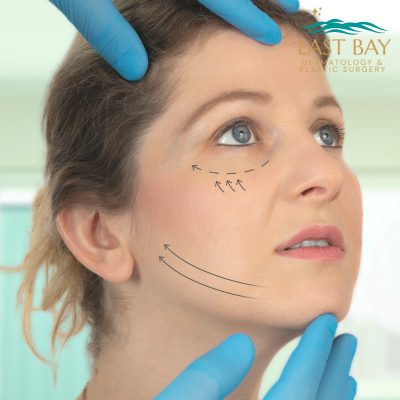
A facelift, or rhytidectomy, is a cosmetic plastic surgery treatment designed to address the most visible signs of aging in the face and neck. By tightening underlying muscles, repositioning tissue, and removing excess skin, a facelift smooths the appearance of deep wrinkles, restores definition to the jawline, and lifts sagging areas of the face.
There are several different types of facelifts. A traditional approach typically targets the mid-face, jawline, and neck. A deep plane facelift, which involves working with deeper layers of tissue, can deliver more dramatic and longer-lasting results for patients with significant facial aging. For those who want a minimally invasive option, a mini-facelift can make subtle changes with smaller incisions and quicker recovery. In many cases, a facelift may also be paired with complementary procedures such as a neck lift or brow lift to enhance the overall outcome.
Who Is a Good Candidate for Facelift Surgery?
The best facelift patients are typically healthy adults who are beginning to notice advanced signs of aging, such as sagging skin, jowls, or deep creases around the mouth and nose. A successful facelift depends not only on the procedure you are considering but also on realistic expectations. Patients should understand that while a facelift offers long-lasting facial rejuvenation, it does not stop the aging process entirely.
Your cosmetic surgeon will also evaluate lifestyle factors, such as smoking habits, skin health, and overall medical history, to determine whether a facelift is the right solution for you.
What Happens During the Facelift Procedure?
Every facelift is customized, but most surgeries share a similar structure. After careful preparation, anesthesia is administered by a qualified anesthesiologist or nurse anesthetist to ensure comfort. The surgery will be performed in an accredited surgical center or hospital operating room, which provides the highest level of oversight and patient safety.
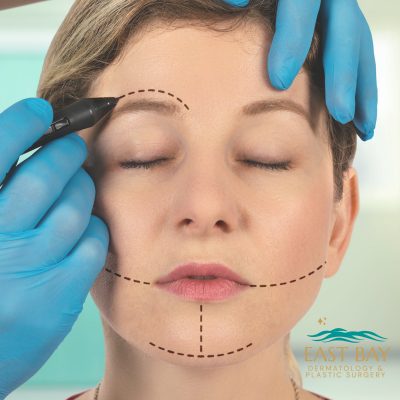
The facelift surgeon then makes discreet incisions, usually hidden along the hairline and around the ears. Through these openings, deeper layers of tissue are repositioned, muscles are tightened, and excess skin is trimmed away. Finally, the skin is redraped over the newly sculpted contours of the facial area, and the incisions are closed with sutures.
This process restores definition to the jawline, smooths sagging skin, and eliminates folds, producing natural and refreshed facelift results.
The Most Important Questions to Ask Your Surgeon
One of the most crucial parts of your journey is the surgery consultation. This is your opportunity to learn more about the surgeon you choose, their background, and the procedure you are considering. A good rule of thumb is to prepare a consultation checklist of key questions. Patients should always ask about the surgeon’s training and experience, whether they are board-certified, and how many facelift surgeries they have performed.
It’s equally important to discuss the type of technique your surgeon recommends—whether that’s a traditional facelift, a deep plane approach, or a combination with a neck lift or brow lift. Another point to clarify is the surgical setting: Is the operation performed in an accredited surgical facility with full safety protocols in place? Who will administer my anesthesia? Asking about the presence of a board-certified anesthesiologist or experienced nurse anesthetist can give you peace of mind.
Other important questions include what the recovery timeline looks like, how bruising and swelling are managed, and what specific steps the practice takes to prioritize patient safety. Asking these questions will help you get a sense of the surgeon’s philosophy and whether they are the right plastic surgeon for you.
What to Expect After Surgery
Recovery after a facelift varies from patient to patient, but most follow a predictable pattern. In the first week, it’s normal to experience swelling, tightness, and bruising, all of which gradually improve with proper care. Pain is usually manageable with prescribed medication. By the second or third week, many patients feel comfortable returning to work or social events, though subtle swelling may linger.
Over the next one to three months, healing progresses steadily, and the improvements become more visible. The results of a facelift continue to refine over time, and most patients are delighted by their more youthful contours. While final healing can take several months, the outcome is long-lasting—many patients enjoy their rejuvenated appearance for 8 to 12 years.
How Long Do Facelift Results Last?
Unlike temporary treatments such as injectables or fillers, the results of a facelift endure for many years. Genetics, lifestyle habits, and skin care all play a role, but on average, patients can expect their results to last a decade or more. While the natural aging process continues, patients typically look significantly younger than if they had not undergone the facelift procedure at all.
Maintaining your results often involves healthy lifestyle choices, diligent sun protection, and occasionally, non-surgical cosmetic procedures like Botox or laser resurfacing. These treatments can complement your facelift by addressing finer lines and skin texture.
Why the Surgeon You Choose Matters
Ultimately, the quality of your outcome depends heavily on the facelift surgeon performing the operation. When selecting from among potential surgeons, patients should look for board certification, specialized surgery training, and years—if not decades—of experience in facial plastic surgery.
The right surgeon will not only have the technical skills needed for a safe and effective plastic surgery procedure, but will also take the time to listen, answer your questions thoroughly, and guide you through every step of the journey. By preparing with a thoughtful list of questions to ask your plastic surgeon, you empower yourself to make the best decision for your health and appearance.
Moving Forward with a Facelift
Choosing to undergo a facelift is about more than reducing wrinkles or tightening sagging skin—it’s about restoring confidence and creating a refreshed version of yourself. The journey begins with an initial consultation, where you have the chance to ask questions, explore your options, and get to know the facelift surgeon who will guide you through the process.
At East Bay Dermatology we understand that every patient’s story is unique. That’s why we take time to listen, provide clear answers, and ensure that the surgery will be performed with the highest standards of care. From the moment you walk into our office to the day you see your final facelift results, our focus is always on safety, comfort, and natural-looking outcomes.
If you are ready to take the next step, we invite you to schedule a consultation with our team. Together, we’ll create a plan that addresses your goals, answers your concerns, and helps you move forward with confidence in your decision.