What Is Microneedling and How Does It Work?
Microneedling is a minimally invasive cosmetic procedure that has gained popularity in dermatology for its ability to improve skin texture, reduce scars, and soften wrinkles. Also called collagen induction therapy, microneedling creates tiny punctures in the skin with fine needles. These micro-injuries activate the skin’s healing process, stimulate collagen production, and encourage new elastin fibers. The result is healthier, smoother, and more rejuvenated skin.
Types of Microneedling Treatments
While traditional microneedling uses fine needles to create controlled punctures, advanced options are also available. Radiofrequency microneedling combines microneedling with heat energy delivered into deeper layers of the skin, enhancing tightening and collagen rebuilding. For severe acne scarring or deep wrinkles, deep microneedling allows providers to target lower layers of the skin for stronger results. A dermatologist can recommend which procedure best matches your skin concerns.
Microneedling Benefits for Skin and Hair
The benefits of microneedling extend far beyond cosmetic surface changes. By encouraging natural collagen and elastin production, microneedling can:
- Reduce the appearance of acne scarring and stretch marks
- Smooth fine lines and wrinkles
- Improve skin texture and tone
- Minimize hyperpigmentation and sun damage
- Support hair loss treatments when combined with specialized serums
Because microneedling can help with a wide variety of concerns, more people get microneedling each year to improve both facial and body skin.
What to Expect During a Professional Microneedling Procedure
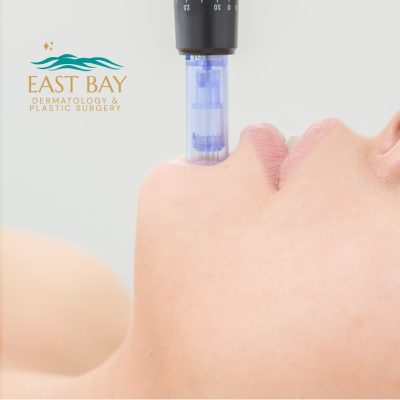
A professional microneedling session begins with a consultation where your provider evaluates your skin type, medical history, and goals. On the day of treatment, your skin is cleansed and a numbing cream applied. The provider then uses a microneedling device that glides over the treatment area, creating controlled micro-injuries with tiny needles. Depending on your needs, serums or platelet-rich plasma may be combined with microneedling to boost results.
The entire procedure usually takes 30–60 minutes, depending on the treatment area. Microneedling also has the advantage of minimal downtime compared with more aggressive rejuvenation therapy.
When Will You See Results From Microneedling?
Many patients wonder how soon they will see results from microneedling. Immediately after treatment, the skin may feel warm, tight, and appear red, much like a mild sunburn. Within a week, brightness and smoothness usually begin to show. Over the next several weeks, the skin continues to rebuild as collagen and elastin form, leading to visible improvements in wrinkles, scars, and skin tone.
For optimal results, most people require a series of three to six treatments spaced about four to six weeks apart. While microneedling isn’t an instant fix, studies have shown that microneedling can significantly improve skin quality when performed consistently by a professional.
Recovery and the Healing Process After Microneedling
Because microneedling is a minimally invasive cosmetic procedure, recovery is usually quick. You may experience mild redness and swelling for a few days, along with slight flaking as your skin renews itself. These are normal side effects of microneedling and part of the natural recovery phase .
Aftercare Tips for Better Healing:
- Use gentle cleansers and hydrating serums to support repair.
- Avoid makeup for at least 24 hours.
- Stay protected from sun exposure and apply SPF daily.
- Postpone retinoids or exfoliating products until your provider approves them.
Following these steps will help your skin heal properly and maximize the long-term advantages of microneedling.
Safety Tips: How to Get Microneedling Done the Right Way
Microneedling is often safe when performed by a trained professional, but at-home devices carry risks. To minimize complications and achieve desired results, it’s best to:
- Choose a board-certified dermatologist or licensed provider to perform the procedure
- Ensure sterile equipment and a medical-grade environment
- Understand potential risks or side effects, such as temporary redness, swelling, or infection risk
- Let your provider tailor the depth of the needles for your skin concerns
- Consider whether microneedling combined with other treatments like PRP or chemical peels could enhance results
By relying on professional microneedling, you significantly lower risks while achieving better, more consistent outcomes.
Microneedling vs. Laser Treatments and Other Procedures
Patients often compare microneedling to chemical peels or laser resurfacing. While these approaches resurface the skin through heat or exfoliation, microneedling creates tiny injuries that stimulate the body’s own repair system. Because microneedling is less heat-dependent, it’s considered safer for darker skin tones, where some lasers carry a risk of hyperpigmentation.
Radiofrequency microneedling offers even stronger results by combining energy with mechanical needling to tighten and rejuvenate deeper skin layers. Your dermatologist can explain whether traditional microneedling, radiofrequency microneedling, or another cosmetic procedure is best for your skin type.
Who Is an Ideal Candidate for Microneedling Treatments?
Microneedling can help a wide range of patients. It is often recommended for those who want to reduce fine lines and wrinkles, minimize acne scarring, smooth stretch marks, or improve skin tone. It may also be used as part of hair restoration plans. However, it may not be suitable if you have active skin infections, uncontrolled acne, or certain medical conditions. That’s why professional evaluation is essential before undergoing microneedling.
Your Path to Skin Rejuvenation
Microneedling has gained popularity for its effectiveness, versatility, and relatively quick recovery. Whether you choose traditional microneedling, deep microneedling, or radiofrequency microneedling, the treatment stimulates the skin’s healing process, promotes collagen production, and can significantly improve texture, tone, and overall appearance.
If you’re considering treatment, consult with a dermatologist who can safely perform the procedure and work with you to develop a personalized plan. With expert guidance, microneedling offers a safe and proven way to reduce signs of aging, treat acne scars, and restore a healthy, youthful glow.
At East Bay Dermatology, our team is here to provide professional microneedling treatments designed to deliver optimal results for your skin.